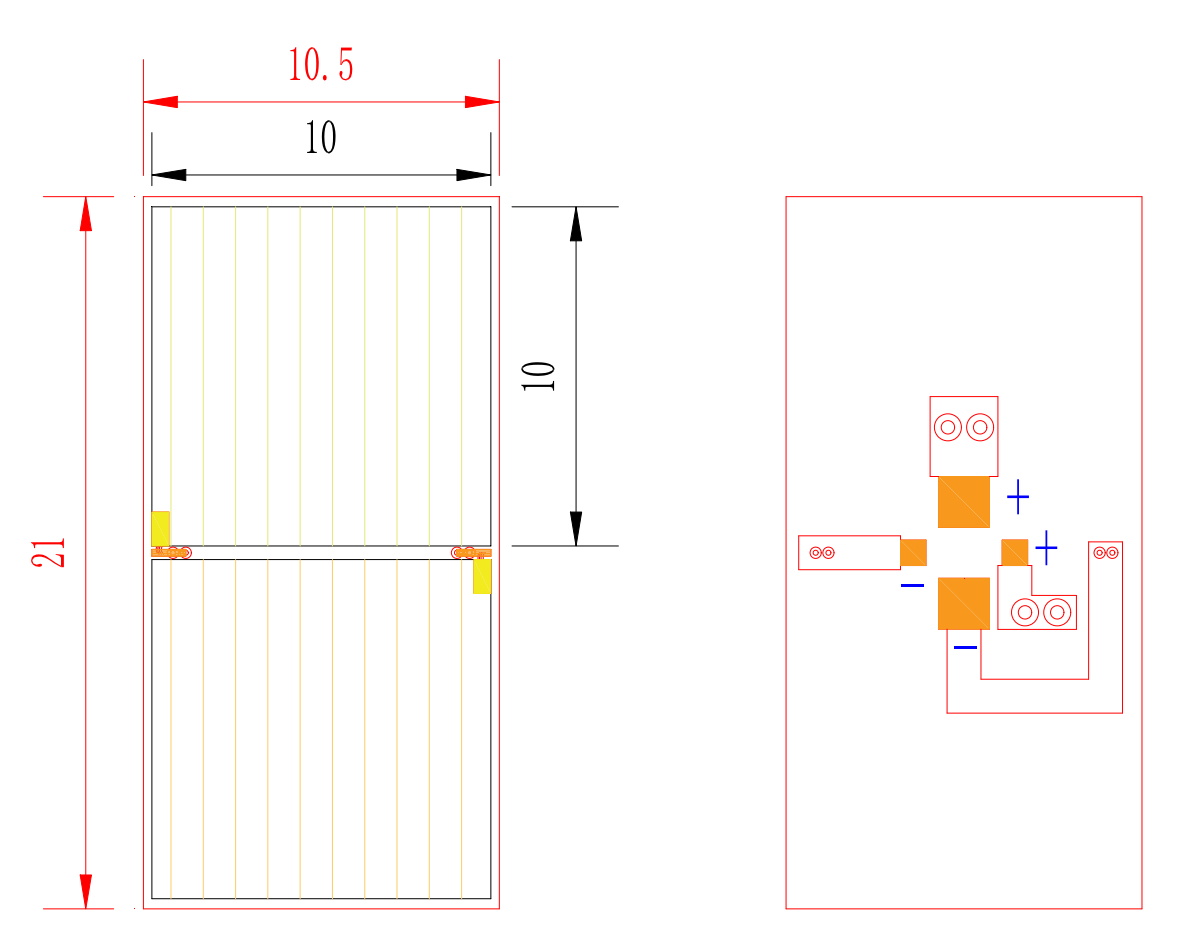
The cost-reduction paths for space GaAs solar cells are narrowing simultaneously from two independent directions. 1. Push “Thinness” to the Limit and Recover What Is “Expensive” Flexible gallium arsenide (GaAs) solar cells less than 0.1 mm thick are being efficiently produced on production lines, we
A review published in Sensors (2026, Volume 26, Issue 19) systematically summarizes that three photophysical mechanisms—photovoltaic, grating, and triboelectric—can simultaneously perform optical sensing and energy conversion within the same platform. Device architectures have evolved from simple ju
Multi-junction gallium arsenide (MJ-GaAs) space solar cells, with high conversion efficiency, excellent radiation resistance, and strong performance under high-temperature and high-vacuum conditions, remain the mainstream power solution for LEO/GEO satellites, deep-space probes, and similar missions